Blog Summary
Roofing timelines in Northern Arizona depend more on elevation and weather patterns than on the season most people assume is safest. Monsoon storms make summer risky for multi-day tear-offs, while late September through November and April through June tend to offer steadier conditions for shingle replacement, Roof Maxx® restoration, sealant and flashing repair, and foam recoating. Winter doesn’t rule out emergency dry-in and leak repair. Our free interactive tool breaks down viability ratings for your town and the reasoning behind each one.
| Time to Read | ~7 minutes |
| What You’ll Learn |
|
| Next Steps |
|
Most homeowners assume summer is the best time to replace a roof. In Northern Arizona, that assumption can put you in the middle of the least predictable roofing weather of the year.
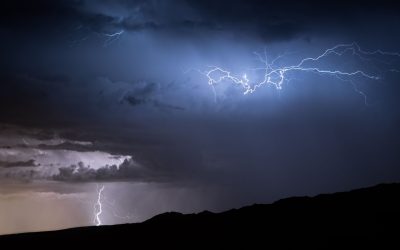
Summer brings intense heat, but it also brings monsoon storms, heavy rainfall, high winds, and, in some areas, hail. For a project that may leave part of your roof exposed during a multi-day tear-off and installation, an afternoon storm can create a problem you would rather avoid.
So when is the best time to replace a roof in Arizona?
For many Northern Arizona homeowners, the answer is during the shoulder seasons: late September through November and April through June. The exact answer depends on where you live, what type of roofing work you need, and the conditions during your particular work window, and our free interactive tool can help you determine when that is.
Find Your Best Roofing Window
Roofing weather can change dramatically from one Northern Arizona town to the next. Elevation, temperature, and seasonal weather patterns all affect whether a particular type of roofing work can be completed successfully.
Use the free, interactive tool below to select your town and the month you’re considering. You’ll see whether conditions are suitable for shingle replacement, Roof Maxx® restoration, sealant and flashing repair, or foam recoating, along with the reason behind each rating.
Use it as a starting point for planning your project, then confirm the actual work window with your roofing contractor and the applicable product requirements.
Why Weather Matters More Than a Date on the Calendar
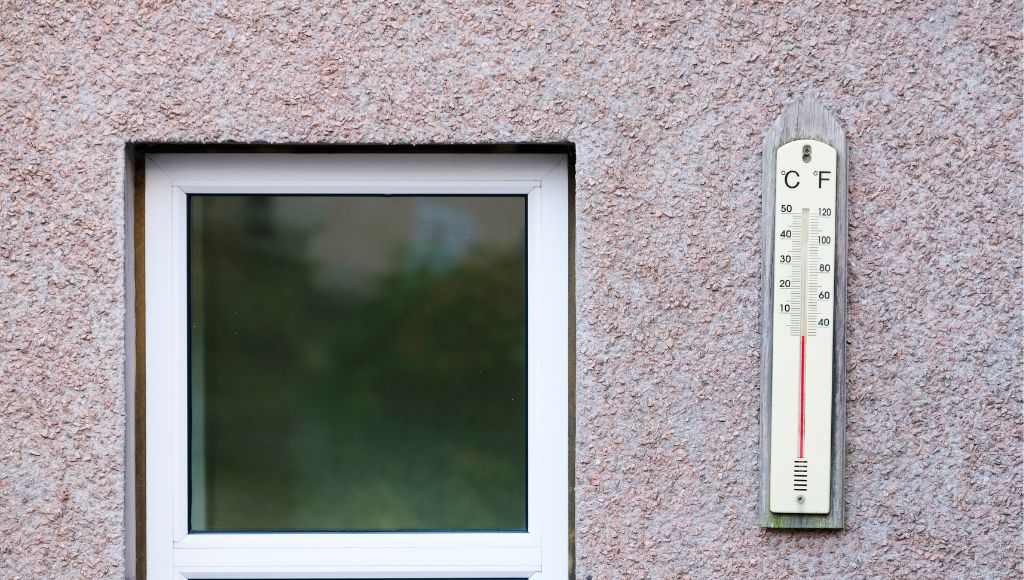
Every rating the tool generates traces back to the same handful of physical constraints. Once you understand them, the rest of this page (and the tool itself) makes a lot more sense.
- Asphalt shingles need sustained warmth to seal. Every shingle has a self-seal strip on the underside, a strip of adhesive that bonds to the shingle below it once it warms up. If the roof doesn’t stay warm enough for long enough, that strip never activates, and the shingles stay unsealed until the next real heat wave does the job for you.
- Adhesives and coatings have minimum application temperatures. Below a certain point, sealants and coatings don’t cure the way they’re supposed to. They can look fine going down and fail months later.
- Restoration treatments need a dry roof and a temperature floor. Roof Maxx® treatments, according to Roof Maxx®, need both a dry surface and adequate warmth to penetrate and cure correctly. Rain or cold can undercut either requirement.
Here’s how those constraints map to each work type:
| Work Type | What It Needs | What Stops It |
| Shingle replacement | Sustained warmth for self-seal strips to bond | Cold snaps, especially overnight |
| Roof Maxx® restoration | Dry surface plus a minimum temperature | Rain, humidity, cold |
| Sealant and flashing repair | Minimum cure temperature for adhesives | Cold, especially in shaded areas |
| Foam recoating | Dry substrate and a temperature floor for cure | Moisture, cold |
Your Answer Depends on Where You Live
A lot of general roofing advice falls apart for Northern Arizona homeowners because it treats “Arizona” as one climate. It isn’t, even within a single service area, because elevation makes a difference. A roofing project that’s workable during a particular winter week in a lower-elevation community may be much harder to schedule at a higher elevation where freezing temperatures and snow are more common.
- Prescott sits at an elevation of about 5,400 feet. It usually receives between 20 and 30 inches of snow per year, and experiences regular freeze-thaw cycles, which create temperature swings that stress roofing materials.
- Payson’s elevation is around 5,000 feet, and the community experiences winter snow and freezing temperatures as well as intense summer heat and monsoon storms.
- Cottonwood at 3,300 feet can be a perfectly fine week for roofing work in January, while the same week in Flagstaff, at 6,900 feet, is a non-starter.
Different elevations have different workable weeks, which is why the best time to replace a roof in Arizona is not one universal month. Where you live matters.
Why Summer Isn’t Automatically the Best Time
Summer can look ideal on a calendar. Longer days and warm temperatures seem perfect for roofing.
Then monsoon season arrives.
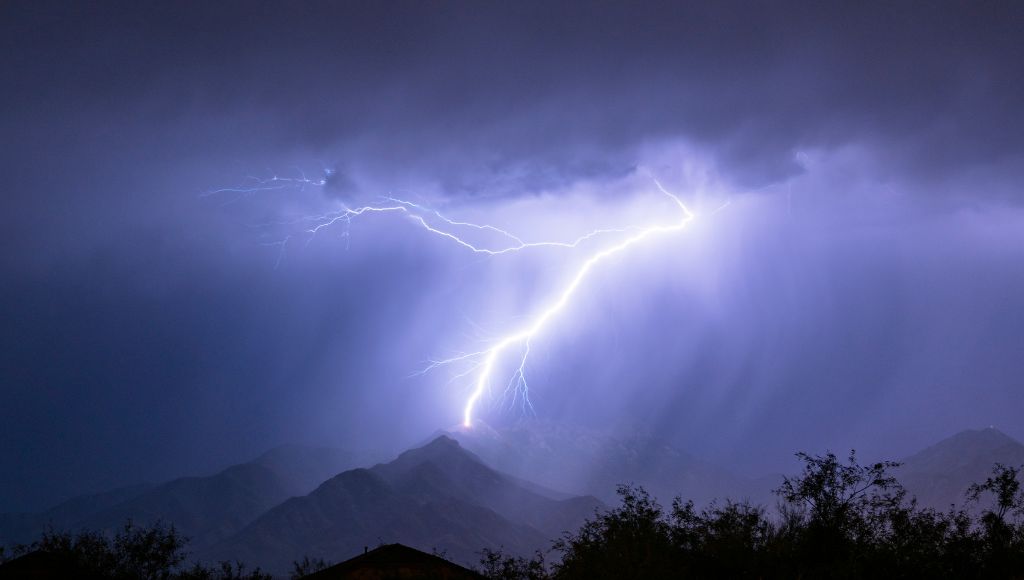
From July through mid-September, afternoon storms can make a multi-day roofing project less predictable. Northern Arizona roofs also have to contend with high winds, heavy rainfall, and occasional hail during summer monsoons. In areas like Prescott, proper shingle adhesion is especially important because summer winds can test the roofing system.
For a full replacement, the concern isn’t just whether rain is likely at the moment the crew starts. A tear-off can expose the roof deck, and an unexpected storm moving through while the roof is open is a situation every homeowner wants to avoid.
The Best Replacement Windows in Northern Arizona
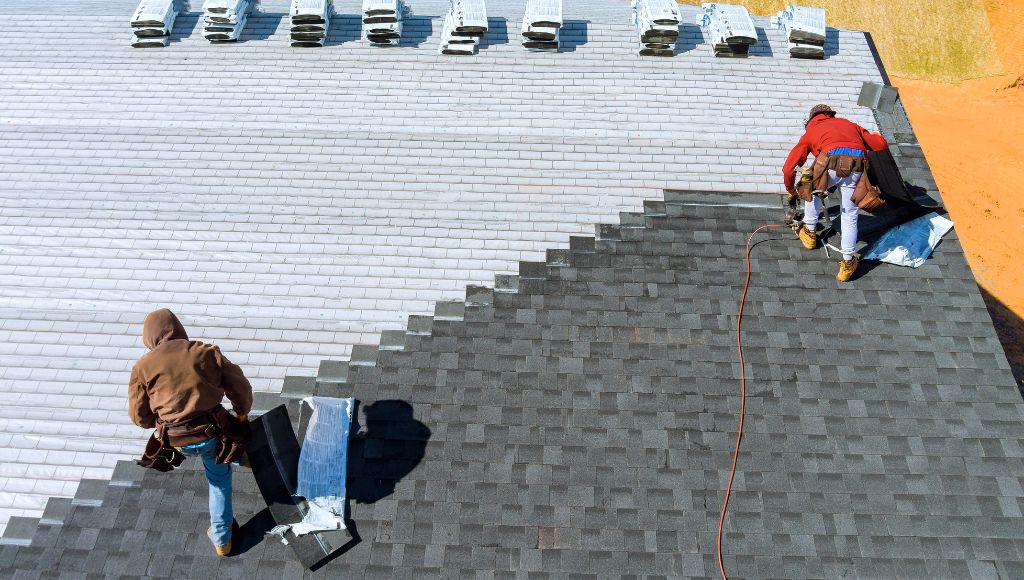
For many homeowners, late September through November offers a useful combination of more stable weather and temperatures that are still workable for roofing.
By this point, the main monsoon season has passed, while the coldest winter weather is still ahead. For homeowners planning a full replacement, that can make fall a good time to schedule the work.
The other window to watch is April through June. Spring temperatures can still fluctuate, especially at higher elevations, so your contractor will need to check the forecast before scheduling the job. But before monsoon storms become a regular concern, you may have good stretches of weather for completing a roof replacement.
Neither window guarantees perfect conditions. Roofing contractors still need to evaluate the specific forecast, roof surface conditions, and manufacturer’s installation requirements.
What Can Still Get Done in Winter
Winter doesn’t mean every roofing project has to wait. Some work can still be completed throughout the year, depending on weather conditions:
- Emergency dry-in to stop active water intrusion
- Leak repair
- Targeted flashing work, weather permitting
If your roof is actively leaking, waiting until spring can make the problem worse. A leak that starts in December can eventually lead to damaged decking, interior drywall repairs, or mold remediation.
If you have an active leak, it’s worth having it inspected and addressed rather than waiting for warmer weather.
If the roof needs replacement, a winter inspection can still help you plan the project. You’ll know what work is needed, you can take care of any urgent repairs, and you may be able to schedule the replacement before spring appointments fill up. Financing options may also help you spread the cost of a larger roofing project over time.
Can You Replace a Roof in Winter?
Sometimes, yes. But winter roofing requires more planning.
The question isn’t whether a contractor can physically work on a roof when it is cold, but whether the materials and installation process can be completed under conditions that meet their requirements.
This matters especially for asphalt shingles. If temperatures are too low for the shingles to seal naturally, a qualified contractor might use appropriate workarounds, like hand nailing and manual sealing, as a substitute for the self-seal strip.
If a contractor tells you cold weather isn’t a problem, it’s worth asking a few questions:
- Are you hand-nailing and hand-sealing instead of relying on the self-seal strip?
- What’s your plan if the forecast turns colder than expected mid-job?
- How does this affect the workmanship warranty?
A contractor who’s actually doing the extra work should have straightforward answers. Vague reassurance is the warning sign.
Shoulder Season Books Out Fast
Fall and spring are popular times for roofing projects, so contractor schedules can fill up quickly. If you’re hoping to have your roof replaced in late November, it’s worth contacting a contractor before the weather turns cold. Waiting until the last few dry weeks of the season can leave you with fewer scheduling options.
If you know you’ll need a replacement in the next year, the smart move isn’t waiting for the “obvious” season. It’s checking your town’s actual window and booking before it fills up.
Ready to Lock In a Window?
Check your town and month with our interactive tool above, then book an inspection to hold your place in the schedule that actually works for your roof.