Summary
September is an important window for Northern Arizona homeowners to check their roofs after monsoon season and before winter’s freeze-thaw cycles begin. Look for damaged shingles or tile, separated flashing, clogged valleys and gutters, granule buildup, and signs of moisture intrusion. Tree litter deserves special attention because it can trap moisture against roofing materials. Ground-level and attic checks can help you spot problems early, while a professional evaluation can determine what needs attention before freezing temperatures arrive.
| Time to Read | ~6 minutes + time for your interactive checklist |
| What You’ll Learn |
|
| Next Steps |
|
Monsoon season has just finished testing your roof.
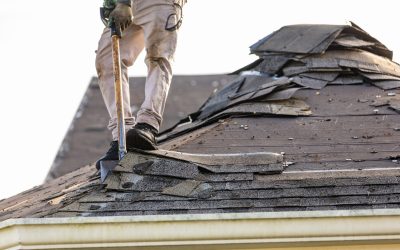
Wind has worked at loose shingles and flashing. Heavy rain has found weak seams and penetrations. Hail may have damaged surfaces that looked fine before the storms. Whatever the monsoon loosened, cracked, lifted, or exposed is still there now.
And in Northern Arizona, you don’t have all winter to find it.
The first hard freeze can turn a small roofing repair into a much bigger problem. A crack that looks minor in September can allow water in, and repeated freeze-thaw cycles can make that damage worse as the season goes on.
September is the time to find those problems while you still have time to address them before winter.
Why September Is the Pivot Month

For Northern Arizona homeowners, fall roof maintenance isn’t just a matter of checking a few boxes before the weather gets cold. September sits between two very different weather patterns: the damage of monsoon season and winter freeze-thaw conditions.
That makes it an important window for roof maintenance.
- Monsoon damage is still fresh. Loose shingles, separated flashing, debris buildup, and other problems are easier to identify before dust, leaves, and time make them harder to spot.
- There’s still time for repairs. Many sealants, adhesives, and roof treatments need suitable temperatures to perform properly. Waiting until colder weather can limit what you can do and when.
- Delaying can make a small problem more expensive. A minor repair that’s straightforward in September may become a more involved repair after water has entered, frozen, and expanded.
If you’re wondering how to prepare your roof for winter, the first step isn’t climbing onto it. It’s finding out what the summer storms may have left behind.
How to Use the Fall Roof Maintenance Interactive Checklist
For Northern Arizona homeowners, fall roof maintenance isn’t simply a matter of checking a few boxes before the weather gets cold. September sits between two very different weather patterns: the damage of monsoon season and the freeze-thaw conditions of winter.
That makes it an important window for roof maintenance.
- Monsoon damage is still fresh. Loose shingles, separated flashing, debris buildup, and other problems are easier to identify before dust, leaves, and time make them harder to spot.
- There’s still time for repairs. Many sealants, adhesives, and roof treatments need suitable temperatures to perform properly. Waiting until colder weather can limit what you can do and when.
- Delaying can make a small problem more expensive. A minor repair that’s straightforward in September may become a more involved repair after water has entered, frozen, and expanded.
If you’re wondering how to prepare your roof for winter, the first step isn’t climbing onto it. It’s finding out what the summer storms may have left behind. If something looks questionable from the ground, don’t climb up to get a closer look. That’s what a professional roof inspection is for.
Run the Interactive Checklist
Work through all twelve checkpoints to see what your roof looks like heading into winter. Each item includes a photo showing what a failure looks like, so you can compare what you’re seeing rather than trying to interpret a vague description.
As you work through the checklist, you’ll see your progress and receive a score that puts your results into one of three categories: Routine, Watch, or Act Now.
Loading the fall roof checklist…
Don’t Overlook Tree Litter
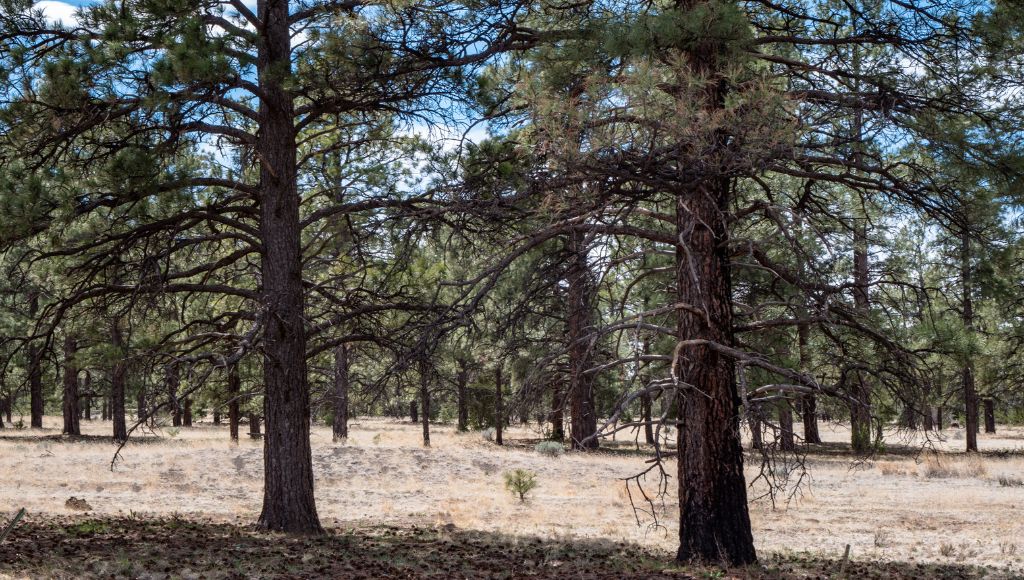
Most fall roof checklists don’t account for how much tree debris affects a roof in this environment. Northern Arizona’s landscape includes a wide range of trees, from ponderosa pine to mulberry, cottonwood, and aspen, and each one leaves something behind that can end up on your roof.
Pine needles mat together in valleys and gutters, holding moisture against the roof for days after a storm. Mulberry and cottonwood trees drop leaves, seed pods, and cottonwood fluff that clog gutters and downspouts just as easily, and aspen leaves break down quickly once wet, creating a slick, moisture-trapping layer wherever they settle.
Northern and central Arizona hold roughly 2.6 million acres of contiguous ponderosa pine, stretching from the New Mexico border across the Mogollon Rim and Coconino Plateau to the South Rim of the Grand Canyon, so pine litter is a common regional issue, but it’s far from the only one.
That makes tree litter more than something that just looks untidy. It’s actively dangerous for your roof.
Moisture trapped against the roof can contribute to deterioration over time, while blocked valleys and gutters can interfere with normal drainage. If you live near heavy tree cover of any kind, like homes in Payson, Prescott, or Flagstaff, make those areas a priority when you run your fall roof maintenance checklist.
A quick look from the yard may not tell you everything, either. If you see heavy needle accumulation in a valley or gutter, it’s worth having a professional determine what’s happening underneath.
Why a “Watch” Item Becomes an “Act Now” Problem
It’s tempting to look at a small crack or minor separation and decide it can wait until spring, but Northern Arizona winters are exactly why that can be a bad bet.
When water gets into a crack or opening and temperatures drop below freezing, the water freezes and expands. Repeated freeze-thaw cycles can enlarge an opening and let more water get farther into the roofing system.
That’s why a problem that earns a Watch today shouldn’t necessarily be forgotten.
The goal isn’t to repair every minor imperfection immediately. It’s to know which conditions can be safely monitored and which should be addressed before the first freeze.
Check Your Roof From the Attic, Too
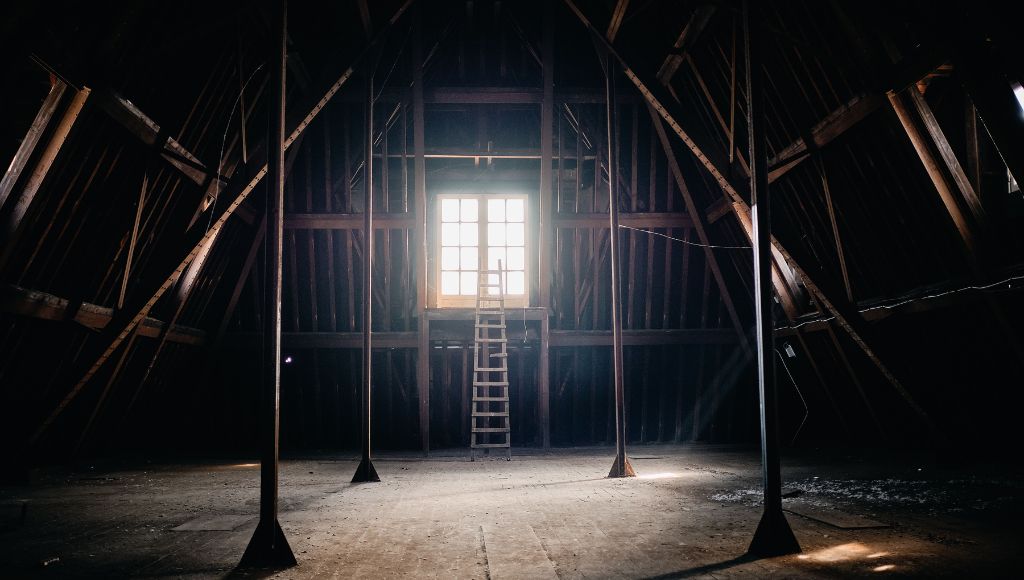
Your roof can tell you things from the inside that aren’t visible from the yard.
If you have safe access to your attic, take a look during daylight hours for three things in particular:
Daylight Around Penetrations
Look around vent pipes, chimneys, and other roof penetrations. Pinpoints or slivers of daylight can indicate a gap where water can enter.
Moisture Staining on the Roof Decking
Dark streaks, discoloration, or other staining on the underside of the roof decking can indicate previous or ongoing moisture intrusion, even if you haven’t noticed a ceiling stain inside the home.
Compressed Insulation at the Eaves
Insulation that has been flattened, displaced, or pushed aside near the eaves can be another sign that something deserves a closer look. It also means that area of the attic may not be insulating as effectively as it should.
These attic-side observations don’t replace a professional inspection, but they can give you another useful view of your roof’s condition.
What Your Score Means
| Score Band | What It Means | What to Do |
| Routine | No issues found | Keep your regular maintenance schedule and continue monitoring your roof as the season changes. |
| Watch | Minor wear or potential concerns found | Keep an eye on those areas and consider having them evaluated before winter, particularly if you found more than one issue. |
| Act Now | Active damage or a condition that shouldn’t wait | Schedule a professional roof inspection or repair before the first freeze. |
And pay attention to the pattern, not just the individual result. One isolated aging shingle isn’t necessarily the same situation as finding several signs of deterioration across different areas of the roof. If multiple checkpoints point to an aging roof, a larger restoration may make more sense than continuing to address one problem at a time.
Book Your Pre-Freeze Inspection
A fall roof maintenance checklist isn’t meant to turn you into a roofer. It’s to help you identify what deserves attention while there’s still time to do something about it.
If your results came back as Watch or Act Now, don’t wait for the first winter storm to tell you whether the problem was serious. Get a professional set of eyes on it now, and book your free roof inspection before the first freeze.
And if you’re working through this checklist after monsoon season, pair it with our Monsoon Roof Prep Checklist to keep your roof maintenance on a seasonal cycle rather than waiting for the next problem to appear.