Summary
Roof Maxx can delay a shingle roof replacement, but it can’t cancel one, so whether it’s worth it comes down to arithmetic rather than assurance. Comparing cost per year of roof life shows restoration can come out ahead or fall just short, depending on the replacement quote and how much tune-up work the roof needs. The move-out date often decides it. Short stays tend to favor restoration, while long stays can favor replacing. Brittle shingles, wet decking, and very old roofs usually rule restoration out.
| Time to Read | ~7 minutes |
| What You’ll Learn |
|
| Next Steps |
|
If you’ve Googled whether Roof Maxx is worth it, there’s probably a sharper question underneath. Is this a smart way to buy time, or a way to spend money on a roof that needs replacing anyway? It’s a fair question, and a sales pitch won’t settle it.
Arithmetic will.
We’ve put together an interactive calculator that compares the cost per year of restoration and replacement over 15 years. All you have to do is enter your roof’s age and condition, your replacement quote, the treatment cost, and how long you plan to stay, and let the calculator spit out your result.
The numbers don’t always favor restoration, and the calculator says so when they don’t. If you’d like the background first, here’s how shingle roof restoration works in Northern Arizona.
Run Your Numbers
What You’ll Enter
- Roof age: restoration is generally considered for asphalt shingle roofs 6 to 20 years old.
- Condition: pick the description closest to what you’ve seen from the ground or been told at an inspection:
- Flexible but dry and shedding granules
- Stiff with some cracking
- Snapping or leaking
- Replacement quote: use yours if you have one. Otherwise, the calculator starts at $18,000.
- Treatment cost: defaults to $4,600, which includes tune-up repairs if the roof needs them.
- Years you plan to stay: often the input that decides the answer.
- Previous Roof Maxx treatments: if your roof has had any.
What You’ll Get Back
The calculator shows four results:
- Cost per year of service life for each path
- What you’d actually spend while you own the home
- The year when both paths have cost the same
- A chart showing where the two lines cross
If your inputs point away from restoration, you’ll see a message explaining why instead of a payback figure.
How Roof Maxx Works
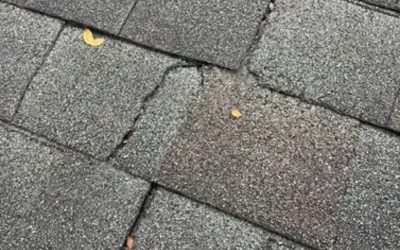
Asphalt shingles rely on oils in the asphalt to stay flexible. At elevations of 3,000 to 6,500 feet, strong UV exposure and big temperature swings can cause those oils to break down faster. As shingles age, they become stiff, lose granules, and may eventually crack.
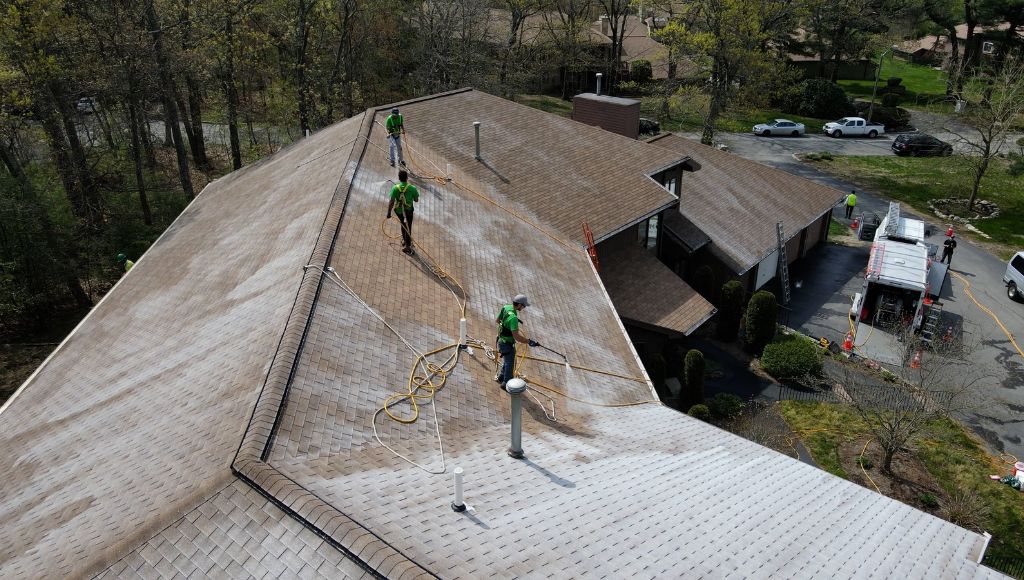
Roof Maxx is an all-natural treatment that’s sprayed onto asphalt shingles to replenish some of the lost oil. Each treatment can add about five years to a roof’s life, and you can reapply it every five years for up to about 15 years of additional life.
Each treatment also includes a five-year transferable flexibility warranty. If the treated shingles fail the standardized flexibility test, Roof Maxx will retreat the affected areas on a prorated basis. The warranty doesn’t cover leaks, granule loss, or storm damage. In other words, it covers the treatment’s flexibility protection, not the roof as a whole. You can find the full details on the warranty page.
Restoration Delays Replacement; It Doesn’t Cancel It
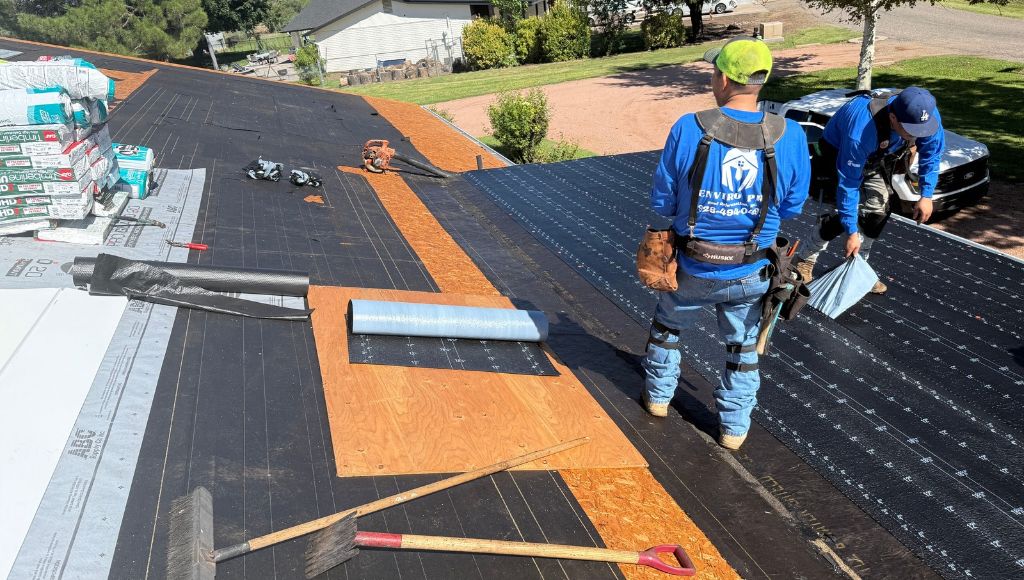
Every shingle roof will eventually need to be replaced, whether it’s been treated or not. Restoration can help you get more years out of your existing roof and put off the cost of replacement. It’s not a way to avoid replacement forever, and it’s better to be clear about that from the start.
That makes cost per year the fair comparison. A replacement’s cost is spread across 20 to 25 years of life, while a treatment’s cost is spread across five.
On an $18,000 replacement, a treatment breaks even somewhere between $3,600 and $4,500. A roof that only needs the treatment comes in well under that line. A roof that needs heavy tune-up work first can land above it, and on a pure per-year basis, replacing wins narrowly.
Saying that openly matters. If the numbers don’t work for your roof, you should know before you spend anything.
Why Your Move-Out Date Matters Most
Cost per year assumes you’ll be around to use every year you pay for, and most people won’t be. When you sell, the years left on a newer roof go with the house, and you only get back what a buyer is willing to pay for them.
What you spend while you live there matters most, which is why “how long will you stay” is the input most likely to change your answer.
| Plan to Stay | Replace Now | Restore With Roof Maxx |
| 4 years | $18,000 | $4,600 (one treatment, warranty transfers at sale) |
| 10 years | $18,000 | $7,800 to $9,200 (two treatments) |
| 15 years | $18,000 | $11,000 to $13,800, with replacement due at year 15 |
| 20 years | $18,000; with the roof due for replacement again at or near year 20 | $29,000 to $31,800, including a new roof at year 15 |
*How these are calculated: $4,600 for the first treatment, plus $3,200 to $4,600 for each treatment after that, at years 5 and 10. The 20-year total adds an $18,000 replacement at year 15. Repeat treatments are shown as a range because tune-ups may not be needed each time. Figures assume a roof that qualifies for three treatments, with no price increases in future years.
A homeowner selling in four years saves $13,400 out of pocket by restoring. Someone staying 20 years spends more on restoration, but finishes with a much younger roof. Those are different correct answers for different plans. A single recommendation for everyone would be wrong for one of them, which is why the calculator asks.
To compare restoration with replacement, you need the full cost of each option. A replacement quote should include tear-off, disposal, and new materials. A restoration quote should include any needed repairs, along with the treatment itself.
- Free inspection: We check each roof slope for curling and granule loss, inspect the flashing and vents, and look at the attic. The inspection usually takes 45 to 60 minutes and includes photos.
- Tune-up repairs, if needed: We replace damaged shingles, reseal nail pops, secure loose flashing, and refresh worn caulking.
- The treatment: Applying Roof Maxx takes about a day. The treatment is absorbed within 72 hours.
The default estimate of $4,600 includes tune-up work and small repairs if the roof needs them. If it doesn’t, the cost is often closer to $3,200. Tune-up repairs are listed separately in the written estimate, so you can enter the actual amount once you have a quote. If neither option fits your budget, financing lets you spread the cost across monthly payments.
When the Math Turns Against Restoration
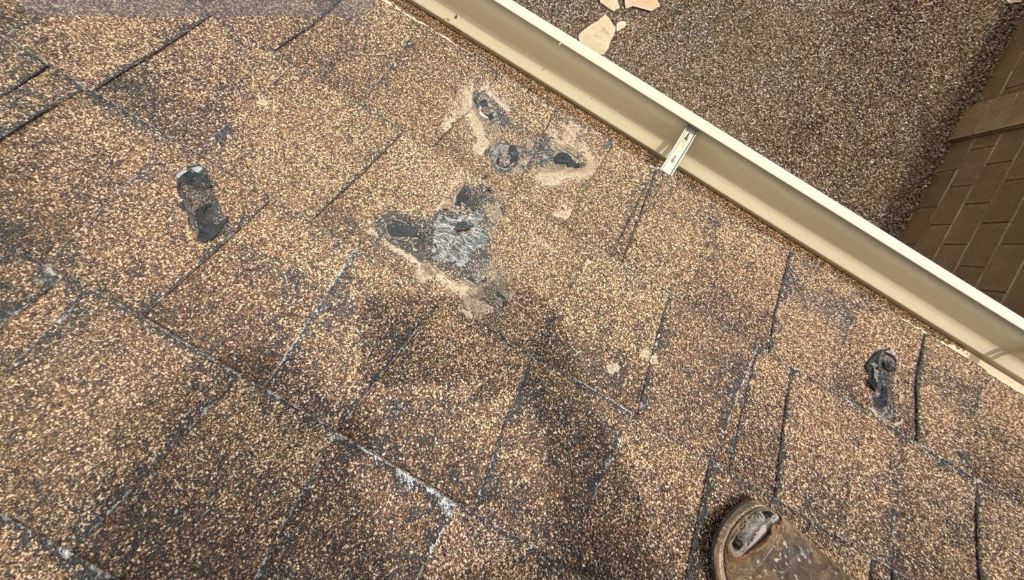
Roof Maxx restoration is only available as an option when the shingles can still respond to it. In the cases below, you’re spending money twice: once on the treatment, and again on the replacement you’d have needed anyway.
- The roof has already had the maximum three treatments it can take.
- Shingles snap rather than bend because brittle shingles can’t regain flexibility.
- Your decking is wet, soft, or leaking. Once water reaches the wood beneath the shingles, the problem is structural, and a surface treatment can’t fix it.
- If your roof is older than 20 years or in poor condition, it’s probably not a good candidate for Roof Maxx.
- If you receive a low replacement quote against a high treatment price, the per-year math favors replacing.
The calculator flags each of these with a message instead of a payback figure. If your roof lands there, roof replacement explains what’s involved.
Related Reading:
The Benefit a Cost-Per-Year Figure Misses
The Roof Maxx flexibility warranty transfers to the next owner. If you sell your home within five years of treatment, the buyer gets the remaining coverage on the treated shingles. That’s useful to have if the roof’s age comes up during the home inspection.
It won’t add a fixed dollar amount to your sale price, and it doesn’t cover leaks, but it does answer a question buyers often ask. For short-stay homeowners, who already see the largest out-of-pocket savings, it’s one more point on the restoration side.
Find Out Whether Your Roof Qualifies
A calculator works from what you know, and an inspection checks what you can’t see from the ground. That includes the condition of the decking and how each slope has aged. EnviroPro’s free inspection takes 45 to 60 minutes and includes photos of everything found. You’ll get a straight answer on whether restoration is a good fit, with a written estimate within two days. Book a free inspection or call 928-494-0495.