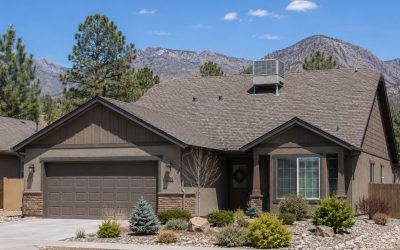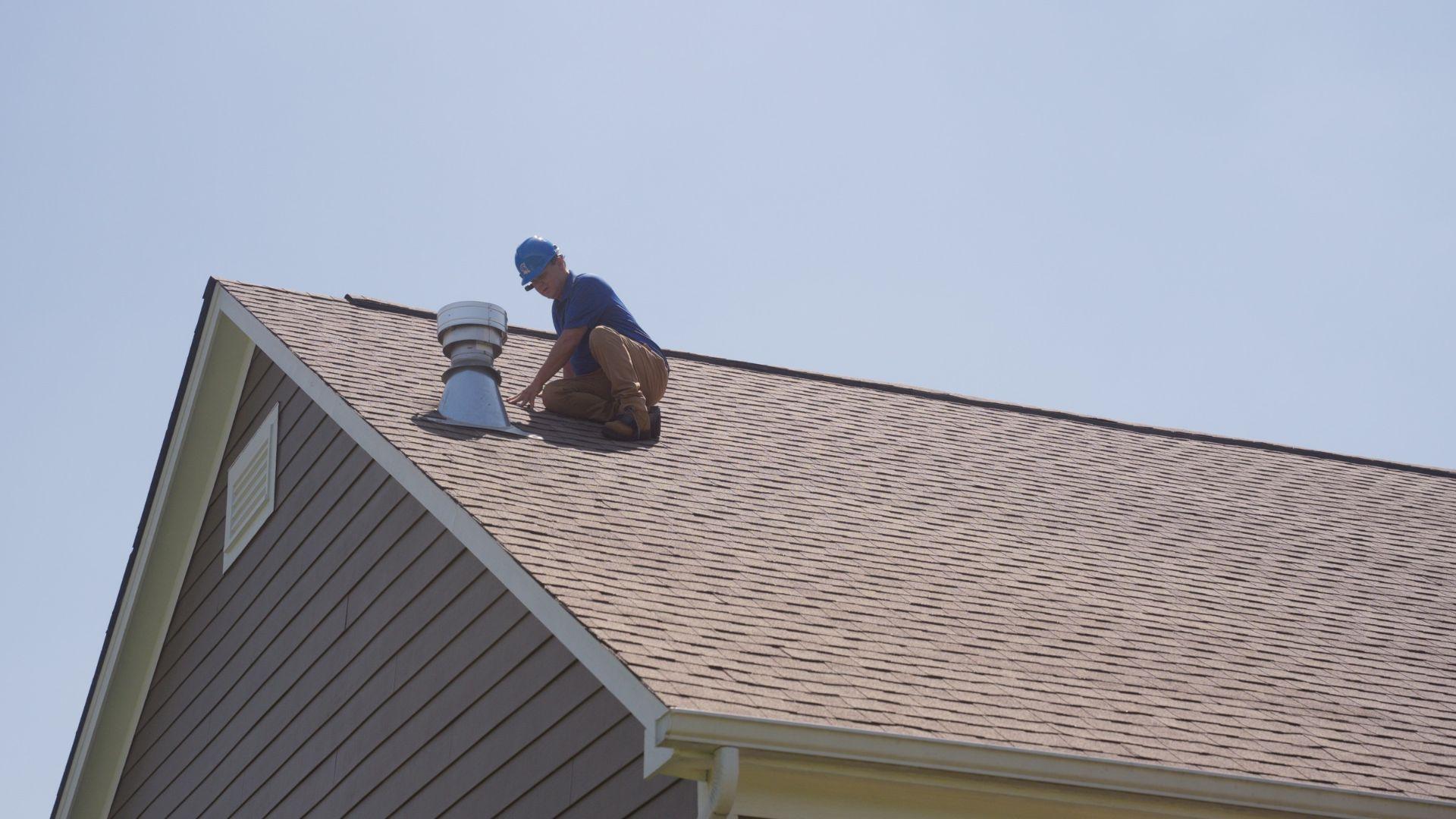
Blog Summary
Replacing a roof too early and patching one that should be replaced are both costly mistakes, and the right call depends on age, shingle condition, leaks, and elevation. Our ten-question quiz can help you determine whether repair, restoration, or replacement is the best option for your roof. A simple shingle flex test shows whether shingles are aging or failing, and elevation explains why roofs in higher Northern Arizona towns wear out faster than their age suggests.
| Time to Read | ~8 minutes + 2-3 minutes for the quiz |
| What You’ll Learn |
|
| Next Steps |
|
Homeowners make two expensive mistakes when it comes to an aging roof. The first is tearing off a roof that still had years of life left, and the second is patching or incorrectly patching a roof that should’ve been replaced two winters ago, then paying for the water damage when it finally gives out.
Both of these mistakes stem from not knowing what condition the roof is actually in.
We’ve put together a free quiz to help you fill that knowledge gap about your roof’s condition. It asks questions about your roof’s age, shingle condition, potential leaks, and location, and your result will show which of the three paths best fits your roof: repair, restore, or replace. It will also give you the reasoning behind your answer and a general cost range for that service.
The quiz outcome you’ll receive isn’t a verdict set in stone, especially if you’re weighing replacement against restoring your roof. Bring your result to your free inspection to confirm it.
Take the Roof Quiz
Answer based on what you can see from the ground, in your gutters, and in your attic. Each result explains why your roof landed where it did so that you won’t be left with a bare verdict and even more unanswered questions.
The Three Outcomes
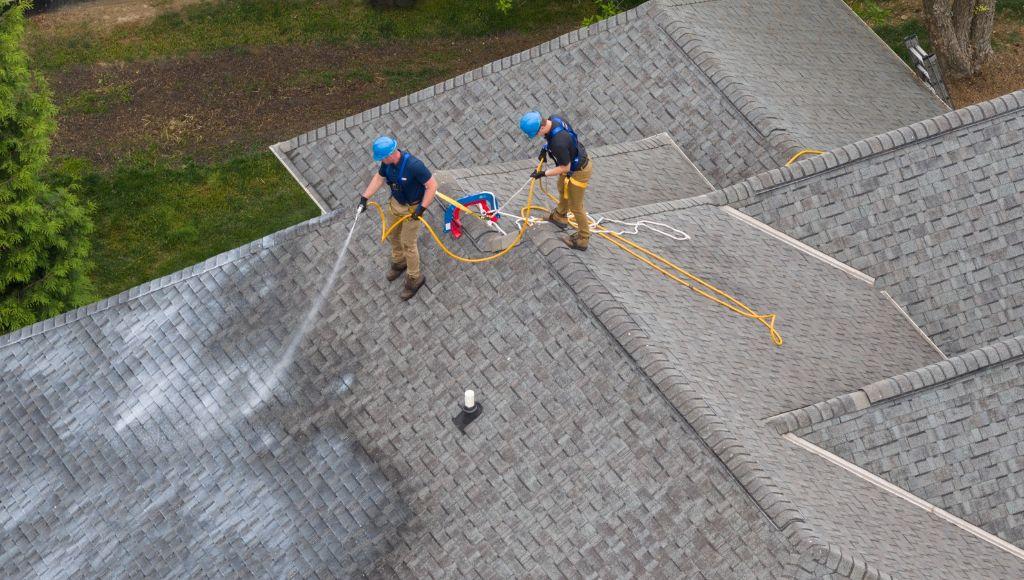
The answers you input on the quiz will point you toward one of three paths. Here’s what each one means and when it fits.
Repair: One Identifiable Problem on a Sound Roof
A repair makes sense when the roof has a single, identifiable problem and the rest of it is in good shape. Think one active leak, a patch of wind-lifted shingles, or hail damage in one area.
This fits if:
- The damage is limited to one spot or section
- Shingles elsewhere still bend when lifted
- The decking is dry
- The roof is anywhere from 2 to 25 years old
A repair restores whatever life the roof had left. It doesn’t add years on its own. Learn more about roof repair.
Restore: Aging, Not Failing
Restoration is for roofs that are wearing out but haven’t yet failed. The shingles have dried out under the sun, but they’re still whole and still keeping water out.
This fits if:
- The roof is roughly 6 to 20 years old
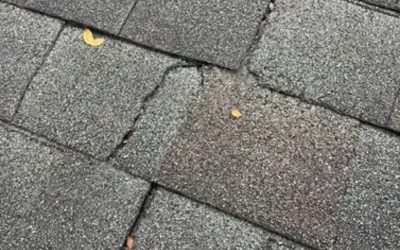
- Shingles look dry, are shedding granules, or crack at the edges, but are still intact
- There’s no active leak
- There’s no water damage at the decking
Each Roof Maxx treatment adds about five years of service life, and you can treat a roof up to three times for roughly fifteen years total. Every treatment carries a five-year transferable warranty. Learn more about shingle roof restoration.
Replace: When the Roof Is Finished
Replacement is the right call when the roof has reached the end of its useful life. No amount of repairs or treatment will change that.
This fits if:
- The roof is past 20 to 25 years old, or at the end of its rated life
- Shingles snap instead of bending
- Bare mat is showing through
- There are leaks in more than one place, or water has reached the decking
A new roof adds 20 to 25 years, depending on the system you choose. Learn more about roof replacement, or check when to replace your roof in Arizona for the best timing.
Tile, Metal, Foam, or Flat Roofs
Roof Maxx is made for asphalt shingles, so it won’t work on tile, metal, foam, or flat roofs. Each roof type has its own weak points. On a tile roof, the tiles can still look fine even when the underlayment beneath them is wearing out. Metal roofs can develop problems as fasteners loosen and sealants wear down. Foam roofs need periodic recoating to protect them from UV damage.
When the Answer Isn’t Obvious
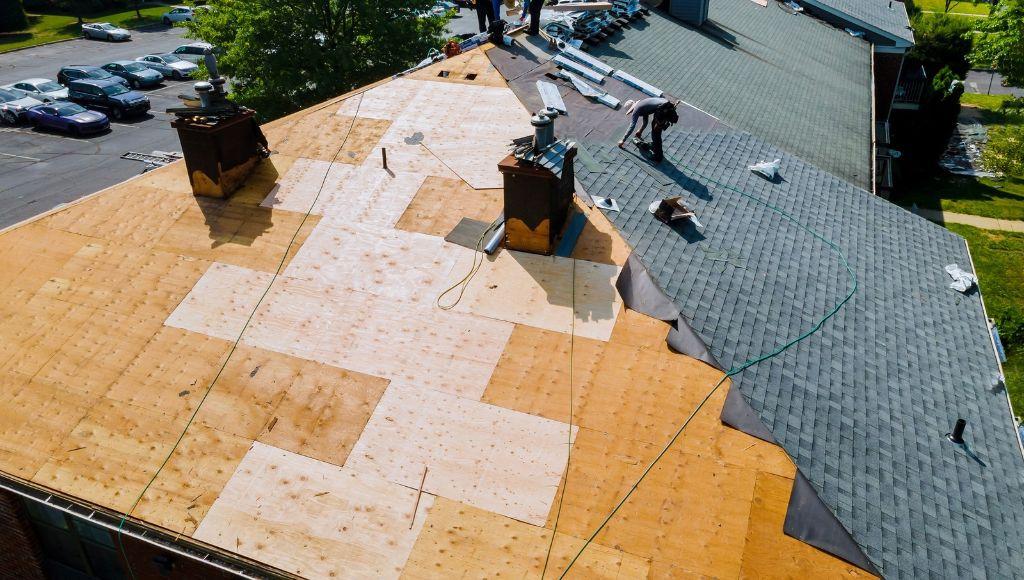
Most roofs fit cleanly into one of the three paths. Some don’t, and these are the situations where an inspection matters most.
An Aging Roof With One Problem Spot
If your roof is drying out and also has a single leak or a few damaged shingles, you don’t have to choose between repair and restoration. Tune-up repairs are part of restoration, so we fix the problem spot before treatment begins.
A Roof Past 20 Whose Shingles Still Bend
Restoration usually fits roofs that are 6 to 20 years old. But a roof can be older and still have some life left if the shingles bend and the decking is dry. For roofs up to about 25 years old, a targeted repair may buy you more time before you need to replace the whole thing.
One Side Aging Faster Than the Rest
South- and west-facing slopes take the most sun, so it’s common for one side of a roof to turn brittle while the other still bends. Depending on how far apart they are, the answer might be replacing a section across one or two slopes rather than the whole roof. That’s a call only an on-roof inspection can make.
A Roof With a Repair History
A history of repairs doesn’t necessarily mean the roof needs replacing. If the repairs have been for unrelated problems over several years, the roof may still be in good shape. But if the same leak keeps coming back after each fix, water may be getting beneath the shingles, and replacement may be the better option.
How to Run the Shingle Flex Test
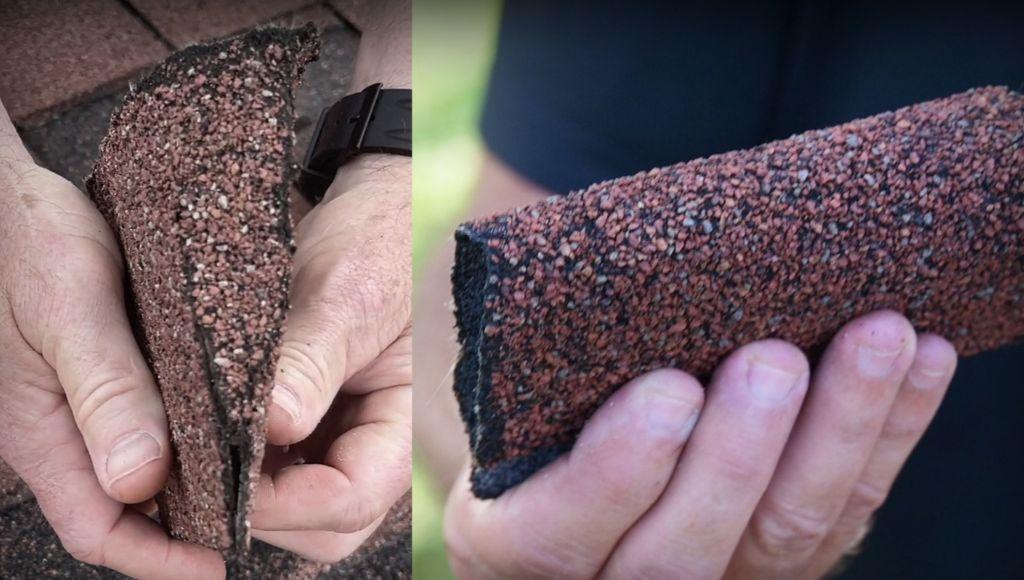
Flexibility is what keeps a shingle doing its job. Northern Arizona’s sharp temperature swings make shingles expand and contract constantly, and flexible shingles move with those swings instead of cracking. As UV and dry air pull the oils out, shingles stiffen, then shrink, cup, and crack. It’s also why the Roof Maxx warranty is written around flexibility rather than appearance.
The flex test is one of the best ways to tell whether your shingles still have life left in them.
Before You Start
- Stay off the roof. Walking on it is risky, and your weight can crack shingles that are already brittle.
- Set up the ladder safely. Make sure it’s on firm, level ground, and have someone hold it steady.
- Pick a mild afternoon. Shingles naturally stiffen in cold weather, so testing them on a cold fall or winter morning can make healthy shingles seem brittle.
Where to Test
- Shingles along the eaves you can reach from the ladder without stepping onto the roof
- Eaves on more than one side of the house, ideally a south- or west-facing side and a north-facing side
- A loose shingle or piece that’s come down in your yard
How to Test
- Find the bottom corner of a shingle tab along the eave.
- Gently lift it, just enough to feel how it resists. Don’t pry; most shingles are sealed down with an adhesive strip, and breaking that seal can leave the tab open to wind lift.
- Notice whether it bends smoothly and springs back when you let go.
- Run a finger across the surface and check whether granules rub off easily.
- For a loose piece, slowly bend it with both hands.
Reading the Results
| Result | What It Means | Likely Quiz Path |
| Bends smoothly and springs back | The shingle still has oil in it | Restoration candidate |
| Bends with resistance, surface cracks appear | The shingle is drying out | Restoration may still fit; book an inspection soon |
| Cracks or snaps | The shingle is brittle | Replacement |
If the south or west side snaps while the north side still bends, that tells you the roof is aging unevenly, which is common here. One shingle doesn’t speak for the whole roof, so an inspection tests flexibility on every slope. If you can’t safely reach any shingles, choose “Not sure” in the quiz, and the inspection will cover it.
Why Elevation Changes the Answer
Shingle ratings are based on sea-level conditions. Northern Arizona isn’t anywhere close to sea level, and the difference between towns in the region is large enough to change how a roof ages.
A 15-year-old roof in Flagstaff can look very different from one the same age in Cottonwood. That’s because Flagstaff sits about 6,900 feet above sea level, roughly 3,600 feet higher than Cottonwood. That extra elevation means more UV exposure. Estimates vary, but UV intensity increases by about 4% to 10% for every 1,000 feet of elevation gain. By that measure, a Flagstaff roof could get roughly 15% to 35% more UV exposure than a roof in Cottonwood.
Flagstaff also sees more than 200 freeze-thaw cycles a year, which works water into hairline cracks and widens them. Cottonwood roofs deal with more heat and the full force of monsoon storms instead.
Across the region, asphalt shingles commonly last 15 to 20 years, well short of what the packaging promises. That’s why the quiz asks where you live. It adjusts your roof’s effective age based on elevation before matching it to an outcome:
| Elevation | Towns | Adjustment |
| Under 4,000 ft | Cottonwood, lower Verde Valley, Phoenix | Age as entered |
| 4,000 to 5,500 ft | Sedona, Payson, Prescott, Prescott Valley, upper Verde Valley | Adds 2 years |
| Above 5,500 ft | Flagstaff | Adds 4 years |
It’s the input most national roof quizzes don’t have. For more on how sun and dry air break shingles down, check out Are Cracked Shingles Bad? and How Long Does Each Roof Type Last?
Your Result Is a Starting Point
The quiz works from what you can see. What it can’t do is check the condition of your decking, the layer beneath your shingles that holds the whole roof together. Soft spots, hidden moisture, and early rot don’t show up on screen.
A free inspection fills that gap. A roofer checks shingle flexibility on every slope, along with flashing, vents, penetrations, and decking, and photographs everything. The inspection takes 45 to 60 minutes, and you’ll get a written recommendation within one to two days.
Confirm Which Path Fits Your Roof
Your quiz result gives you a clear starting point, but a free inspection confirms it, so you can move forward knowing you’re not replacing a roof too early or holding on to one too long. Book your free roof inspection online or call 928-494-0495.